
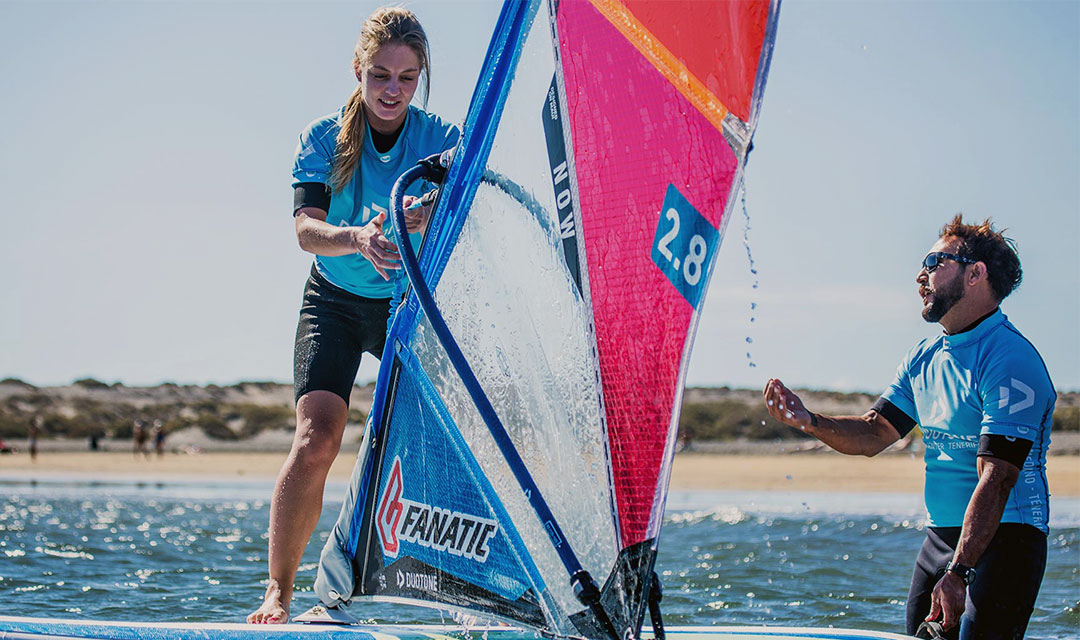
Learning to windsurf takes a weekend. Getting good at it takes years. That gap is exactly what makes it one of the more honest sports out there — easy enough to get a taste of quickly, deep enough to keep you hooked for decades.
If you’ve been toying with the idea of booking windsurfing lessons, here’s a practical look at what the experience actually involves, what separates a decent course from a great one, and where in the UK you can find some of the best water to learn on.
Why Windsurfing Still Holds Its Own
Kitesurfing gets a lot of the attention these days, and foiling is the shiny new thing everyone’s talking about. But windsurfing has been quietly holding its ground since the 1970s, and for good reason. The learning curve is more forgiving than kite, you don’t need a massive stretch of beach to rig up, and there’s something satisfying about the directness of it — you, a board, a sail, and the wind.
In the UK alone, there are around 65,000 active windsurfers, and the Royal Yachting Association (RYA) certifies hundreds of windsurfing instructors and training centres across the country. The sport isn’t going anywhere.
What Happens in a Beginner Windsurfing Lesson
Most introductory windsurfing lessons run between two and three hours. You won’t be on the water the entire time — expect a dry-land session first where you’ll get familiar with the basics: how to stand on the board, how to hold the boom, and how to use your body weight rather than your arms to steer.
This on-land practice matters more than it sounds. The instinct when you first get on a board is to muscle the sail around with your arms. Instructors spend a lot of time in the first session undoing that habit. Body position and weight distribution do most of the work in windsurfing — arms are just along for the ride.
Once on the water, you’ll typically start in shallow, flat water. Inland lakes and reservoirs are actually ideal for this reason, which is why some of the most popular beginner centres in the UK are nowhere near the sea. Places like Rutland Water in the East Midlands and Grafham Water in Cambridgeshire have been producing competent windsurfers for decades, largely because the flat water removes one variable (chop and swell) while you’re trying to manage several others.
RYA Windsurfing Courses Explained
If you’re looking at structured windsurfing courses rather than a one-off taster, the RYA pathway is the standard framework used by most UK centres.
The Start Windsurfing course is the entry point — typically a two-day course that covers the fundamentals and gets you to a point where you can sail in a straight line, turn around, and get back to where you started. It sounds modest, but it’s genuinely satisfying when it clicks.
From there, the Intermediate course builds on that foundation — you’ll start working on more controlled gybes and tacks, and begin to get comfortable in slightly more challenging conditions.
The Advanced course is where things get properly technical. You’re working on planing, harness use, and footstraps — the point at which windsurfing starts to feel genuinely fast and dynamic.
Each level comes with an RYA certificate, which is useful if you ever want to hire equipment abroad or demonstrate competence at a club.
Coastal Options: Where to Learn by the Sea
For those who want the sea rather than a reservoir, the UK coastline has some excellent options.
Poole Harbour in Dorset is one of the most popular spots for windsurfing lessons in England. It’s the second largest natural harbour in the world, which means you get tidal water and sea conditions without the full exposure of an open beach. For beginners, that combination — real sea, manageable conditions — is hard to beat.
Hayling Island in Hampshire has a strong windsurfing scene and several established centres running RYA courses throughout the season. The island sits at the mouth of Chichester Harbour, which provides sheltered water on one side and more open conditions on the other as you progress.
Up in Scotland, Tiree is in a different category entirely. Known as the “Hawaii of the North,” it records more sunshine hours than almost anywhere else in the UK and sits in the path of consistent Atlantic wind. It’s not a beginner destination — the conditions are better suited to intermediate and advanced sailors — but the annual Tiree Wave Classic in October draws international competitors and gives the island a genuine windsurfing identity.
What to Look for When Booking Windsurfing Lessons
A few things worth checking before you book:
- RYA recognition — centres that are RYA recognised are inspected and meet specific standards for equipment, instructor qualifications, and safety.
- Equipment quality — beginners need wide, stable boards and appropriately sized sails. Ask what kit you’ll be using.
- Instructor-to-student ratio — smaller groups mean more feedback, which matters a lot in the early stages.
- Location conditions — flat, sheltered water is better for learning. Don’t book a beach-facing centre for your first lesson expecting calm conditions.
adventuro lists windsurfing lessons and courses from RYA-recognised centres across the UK, so you can filter by location, skill level, and course type in one place rather than trawling through individual centre websites.